


-

Add: HeBei ShengShi HongBang Cellulose Technology CO.,LTD.
-

Email
13180486930@163.com -

CONTACT US
+86 13180486930




Hydroxypropyl Methylcellulose (HPMC) E5 is a versatile and essential ingredient in various industries, prized for its unique properties that enhance product formulation. As a low viscosity grade of HPMC, E5 offers a distinct set of characteristics highly valued by manufacturers. This article delves into the crucial attributes of HPMC E5, leveraging insights from industry experts and real-world applications to offer a comprehensive understanding of its benefits and usage. One of the standout features of HPMC E5 is its film-forming ability. This property is integral in the pharmaceutical industry, where HPMC E5 is commonly used as a coating agent for tablets. Its ability to form a uniform, adherent, and stable film ensures the protection of active ingredients, enhances shelf life, and improves the aesthetic appeal of tablets. The expertise of formulation scientists highlights that the use of HPMC E5 in coatings improves the swallowability and taste masking of oral dosage forms, making it a preferred choice among pharmaceutical developers. In the realm of construction, HPMC E5 serves as an essential additive in cement-based materials. Its water retention capability prevents premature drying and assures optimal curing, leading to increased strength and durability of the final product. Construction professionals underline that the inclusion of HPMC E5 in mortar formulations results in enhanced workability and open time. This facilitates easier application and adjustment of tiles or other construction components, minimizing waste and improving finish quality. The adhesive industry also benefits from the unique properties of HPMC E5 . The compound's thickening and rheology modification abilities enable the production of adhesives with superior stability and consistency. As experts in adhesive chemistry attest, HPMC E5 improves the bonding capacity and mechanical strength of adhesives, providing reliable performance across different substrates and environmental conditions. This versatility makes it an indispensable ingredient in formulating both household and industrial adhesives. hpmc e5 properties Personal care products, such as shampoos and creams, often incorporate HPMC E5 due to its excellent emulsification and stabilization properties. Cosmetologists and personal care formulators value HPMC E5 for its ability to maintain the integrity and homogeneity of creams and lotions. Its non-ionic nature ensures compatibility with various active ingredients, allowing for innovative formulations that cater to diverse consumer needs. Furthermore, HPMC E5’s gentle nature and lack of irritancy make it suitable for sensitive skin products, thus broadening its applicability in the cosmetics industry. From an expert perspective, the adaptability of HPMC E5 across different formulations and industries underscores its significance. Its non-ionic and cellulose-based nature ensures environmental compatibility and safe usage, aligning with the growing consumer demand for sustainable and eco-friendly products. Manufacturers leveraging HPMC E5 can assure their clientele of high-quality, reliable, and effective products, bolstering trust and authority in their respective markets. Trustworthiness in utilizing HPMC E5 is reinforced by thorough testing and compliance with regulatory standards, which are critical for product safety and efficacy. Collaboration with experienced formulation scientists and adherence to stringent quality control measures guarantees that products incorporating HPMC E5 deliver consistent and dependable performance. In conclusion, HPMC E5 stands out due to its unique properties that serve a wide array of applications, ranging from pharmaceuticals and construction to adhesives and personal care products. Its esteemed position is further corroborated by industry expertise and practical experience, which collectively affirm its role as a high-value ingredient. By integrating HPMC E5, manufacturers not only optimize product performance but also ensure an authoritative and trusted presence in their sectors.
- 40000tons

Production
- 20+years

Experience
- 5000+㎡

Acreage

-

The Role of Modified Starch in Food and Industrial Applications Modified starch has become a significant ingredient in both the food industry and various industrial applications. With its versatility and functional properties, modified starch plays a crucial role in enhancing the texture, stability, and overall quality of products. This article explores the types, benefits, and applications of modified starch, highlighting its importance in modern production processes. What is Modified Starch? Modified starch refers to starch that has been physically, enzymatically, or chemically altered to enhance its properties and functionality. Common sources of starch include corn, wheat, potato, and tapioca. The modification process aims to improve characteristics such as solubility, viscosity, and stability under varying pH levels and temperatures. There are several methods to modify starch, including 1. Physical Modification This involves processes like heating, cooling, or extrusion. These processes can alter the starch structure without the use of chemicals. 2. Enzymatic Modification Enzymes are used to change the structure of starch, improving its functionality while maintaining its natural characteristics. 3. Chemical Modification This method uses acids, alkalis, or other chemicals to create new derivatives of starch, resulting in specific properties that are beneficial for targeted applications. Benefits of Modified Starch The modification of starch provides several benefits, including 1. Improved Solubility Modified starch can dissolve easily in cold water, making it ideal for instant foods and sauces, where quick preparation is essential. the modified starch 2. Enhanced Thickening Properties Modified starch can create stable gels and emulsions, providing desirable textures in products like puddings, dressings, and gravies. 3. Increased Stability It helps stabilize products against changes in temperature and pH, essential for products that need to withstand processing conditions or extended shelf life. 4. Better Freeze-Thaw Stability Modified starch prevents texture changes in frozen products, ensuring a consistent quality when thawed. This stability is crucial for frozen foods, dairy products, and sauces. Applications of Modified Starch 1. Food Industry Modified starches are widely used in the food sector for thickening, stabilizing, and gelling. They find applications in - Dairy Products Modified starch helps in maintaining texture and stability in yogurt, ice cream, and cheese products. - Bakery Goods It enhances moisture retention and improves the shelf life of bread and cakes, providing a desirable texture. - Sauces and Dressings Provides a smooth and stable consistency while preventing separation. 2. Industrial Applications Beyond the food industry, modified starch has significant applications in other sectors, including - Paper and Textile Industries Utilized as a binding agent, it enhances the strength and quality of paper products and fabrics. - Pharmaceuticals Modified starch serves as a filler or binder in tablets and capsules, playing a vital role in drug formulation. - Cosmetics It is used in various cosmetic products as a thickener and stabilizer, improving the texture of creams and lotions. Conclusion Modified starch is an invaluable ingredient that enhances the quality and functionality of a wide range of products. From the food industry to pharmaceuticals and textiles, its versatility makes it a preferred choice for manufacturers aiming to improve their product offerings. As technology advances and consumer demands evolve, the development of new modified starches will likely continue, ensuring that this ingredient remains at the forefront of innovation in both food and industrial applications. With its myriad benefits, modified starch is poised to play a vital role in sustainable and high-quality production processes for years to come.
-
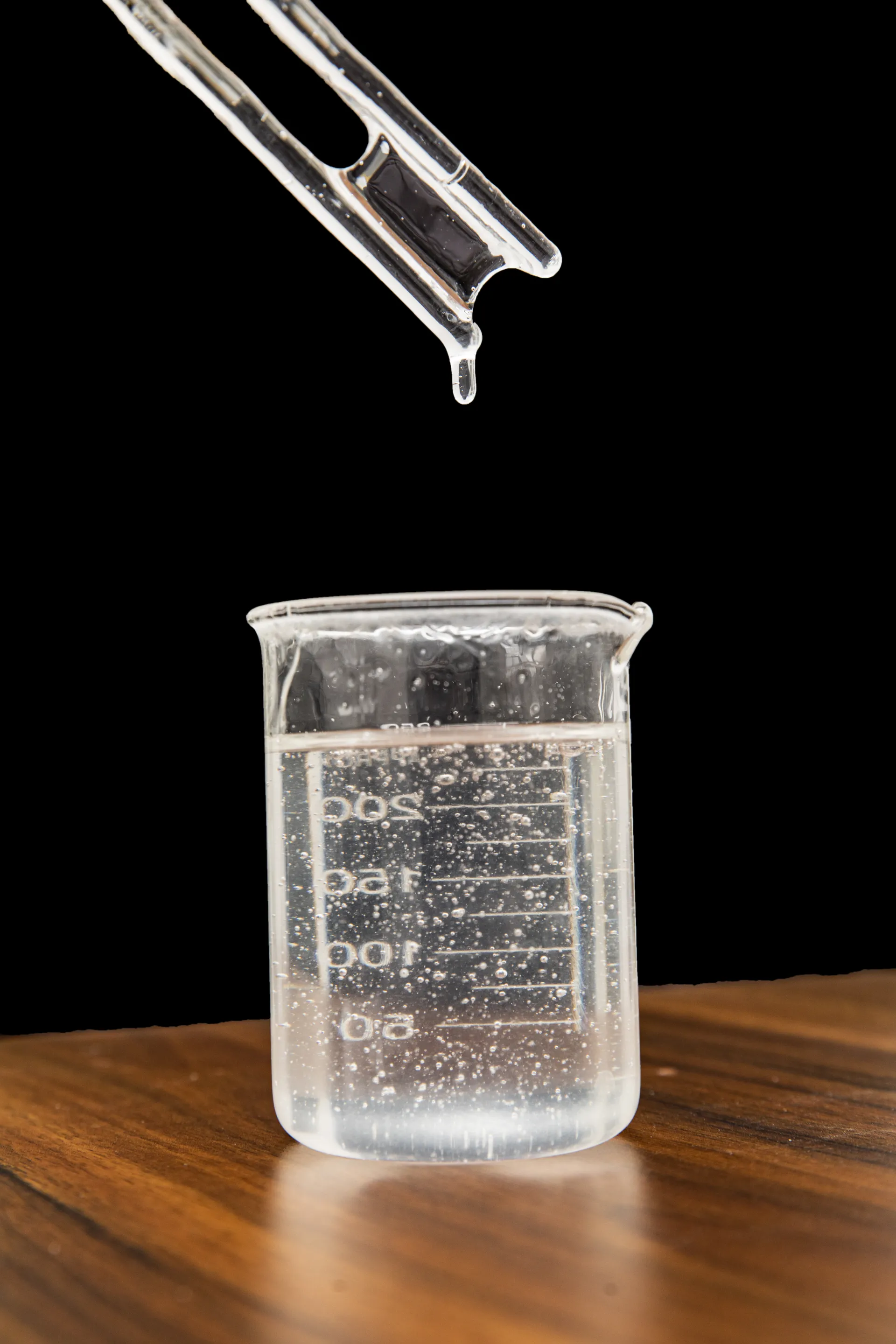
Hydroxypropyl Methylcellulose (HPMC) is an essential polymer used across various industries due to its adaptable nature and functional versatility. The complexity of its applications often warrants a closer examination of the different grades available in the market to effectively leverage their unique properties. Hydroxypropyl Methylcellulose comes in several grades, each tailored for specific functionalities. These grades differ mainly in viscosity, particle size, and substitution levels, which greatly influence their performance in diverse applications. The pharmaceutical industry extensively utilizes pharmaceutical grade HPMC as an excipient. This grade is essential in formulating controlled release drugs, offering superior stability and consistency. Real-world experiences affirm that pharmaceutical grade HPMC not only enhances the viscosity of the solution but also acts as a robust film-former, resisting degradation over time. Certified by rigorous standards, this grade showcases the crucial balance between safety and performance. In the construction industry, HPMC plays an indispensable role, particularly in tile adhesives, grout, and cement. The construction grade HPMC is distinguished by its enhanced water retention properties and workability. Construction professionals value this grade for its ability to improve open time and ensure smoother application. My long-standing interaction with industry experts revealed that the superior adhesion and cohesion provided by specialized construction grades significantly reduce sagging upon application, leading to longer-lasting structures. Food grade HPMC is another noteworthy category, primarily engaged in the food industry. This grade serves as an emulsifier, thickener, and stabilizer in various culinary applications, including plant-based alternatives. The trustworthiness of food grade HPMC is paramount as it is involved in ingestion; thus, it complies with the strictest regulatory standards. Leading food technologists often cite its non-toxic and hypoallergenic properties as pivotal when creating consumer-friendly vegan and vegetarian recipes, adding that consistent texture and mouthfeel are achieved with unmatched ease through this grade. different grades of hpmc In environmental applications, surface coating and protection measures increasingly rely on HPMC. In these contexts, specialty grades of HPMC are reputed for their biopolymer properties, offering eco-friendly yet effective solutions. These specialty grades excel in bioadhesive applications, where their performance aligns with sustainable practices. Professionals engaged in green chemistry initiatives often convey that the bio-based grades of HPMC provide not only environmental compatibility but also maintain the mechanical integrity necessary for broad-spectrum applications. Another vital domain is the personal care industry, where cosmetic grade HPMC is prevalent. It is used in lotions, creams, and shampoos as a thickening agent. Researchers emphasize the role of cosmetic grade HPMC in enhancing the viscosity of formulations, which directly relates to the product's efficacy and consumer perception. Elaborate testing and testimonies from dermatological experts underpin its safety and compatibility with skin, embodying trust and reliability in personal care products. Advanced research and development continue to forge newer grades of HPMC , tailored for high-tech applications. Engineers in the field of 3D printing, for example, are beginning to explore unique grades of HPMC with specialized rheological properties to optimize the print quality and speed, marking a testament to HPMC’s adaptability. Conclusively, the diverse grades of HPMC highlight the polymer’s intrinsic versatility across various industries. Each grade is a testament to its optimized formulation for specific applications, ensuring efficacy, reliability, and safety. These attributes not only render HPMC indispensable in existing domains but also hold the promise for pioneering applications. Considering the dynamic market demands, staying informed about the latest advancements and applications in HPMC grades is paramount for professionals keen on leveraging this polymer’s full potential for innovative solutions.
advantages
-

200000 Viscosities
Excellent product
We can produce pure products up to 200,000 viscosities
-

40000 tons
High yield
We don’t stop production all year round, and the annual output can reach 40,000 tons
-

24 hours
Quality service
We provide 24-hours online reception service, welcome to consult at any time
———— Inquiry Form
Schedule A services
-
 polypropylene_staple_fiber_for_construction
Oct . 25, 2025
Hydroxyethyl starch (HES) has surged into focus as a powerful tool within the medical and healthcare -
 polvo_de_emulsion_redispersable
Oct . 25, 2025
Nitrile rubber powder , a versatile polymer, is becoming an indispensable asset in numerous industri -
 harga_metil_hidroksietil_selulosa
Oct . 25, 2025
In the realm of pharmaceuticals, HPMC stands for Hydroxypropyl Methylcellulose, a compound indispens


